


We are facing an energy crisis in today’s society – not just in terms of the energy resources of our planet, but a personal energy crisis – where demand in our lives is increasingly outweighing our capacity to give. By looking at the life of Jesus, we can find principles on how to live a balanced life between work and rest. Guest speaker Hannah Andrykanus
Could it be that you are where you are becuase of prayer? Someone is praying for you – find out who.
Part 3 of the Seeing with New Eyes: Revisiting Common Christian Beliefs:
Thirty-one percent of the world believes in Jesus. Was Jesus a mere historical figure? Was he who he claimed he was? How does one know for sure? In the face of doubts and uncertainty, how can we come to know if Jesus truly was the Son of God? In this talk, we explore the journey of faith that each of us faces as we seek a personal connection to Jesus.
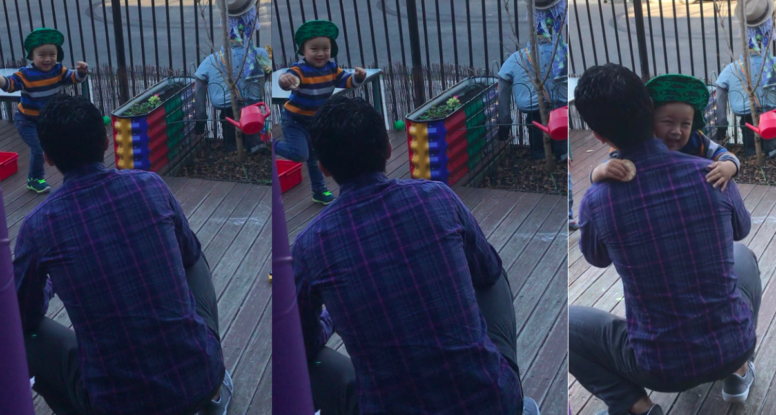
I snuck quietly behind Roy so that Joshua would see him first as he walked into the yard of the childcare centre.
At first, he stared, blinked, then as recognition and reality set in he ran to him, crying, “Daddy!” He clung to Roy like a koala for the rest of the day.
It had been two weeks since Roy had been home and the boys had missed him very much.
I like reunions because people get to express how much they care for each other; feelings of joy, relief, and tenderness exude from the face and body as people greet each other after separation.
Of course, reunions are only as good as the relationships represented.

by: Jinha Kim
"But those who drink the water I give them will never thirst. Indeed, the water I give them will become in them a spring of water welling up to eternal life." John 4:14
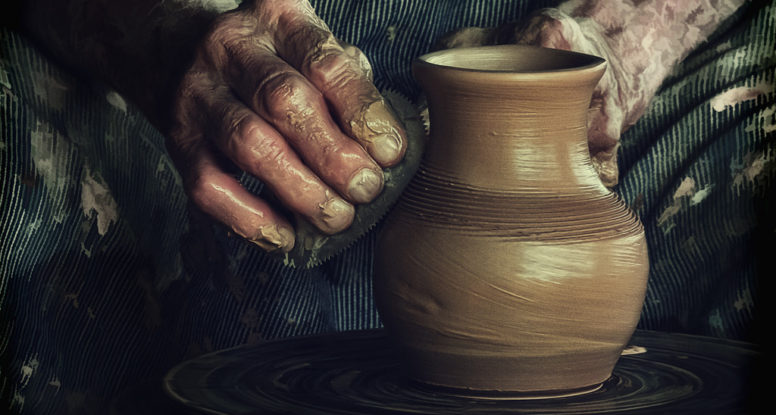
In high school art class, one term we learned pottery. I can remember the teacher demonstrating how to use the pottery wheel. He was the type to wax on and on about this and that and never get to the point. And it seemed that was what he was doing with the clay.
He had smacked a lump of clay onto the wheel and was demonstrating how to centre the clay. He did it over and over again and it just looked like keeping your hands still. He stressed the importance of having centred clay before moving on. It looked boring and like a waste of time.

by: Bronwyn
What did Jesus mean when He said we had to become like children to receive the Kingdom of God? What childlike qualiites does God wish us to foster?
As we finish our series on 1 John, we are going to examine why we need Jesus, not only for avoiding sin, but for experiencing love.

My childhood friend, Thian, who I knew since elementary school in Bangkok, visited me from Canberra recently. We had some good catching up to do and spent much of our time in our usual light-hearted talks. It is such a blessing to have genuine friends who you can catch up with after a long period and still feel like you’ve never spent years apart.

by: Shane
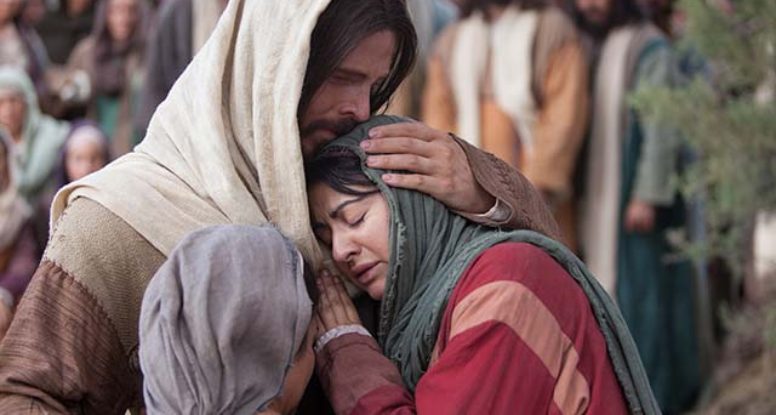
I remember three sisters who attended my primary school growing up. Sadly they were victims of horrendous bullying and I shudder to think of the long term psychological scars. I don’t know the exact trigger for the bullying, but I guess they came from a poorer family and spoke and dressed differently.
The youngest sister, Mary, was in my class. On one occasion, I remember the mother of the girls having an angry outburst at a school BBQ and running across the playground. Many of the children and their parents were pointing and laughing, some exclaiming, “She isn’t even wearing a bra!”
I recall feeling bewildered, and thinking “I am not perfect, will they laugh at me too?”

by: Maggie
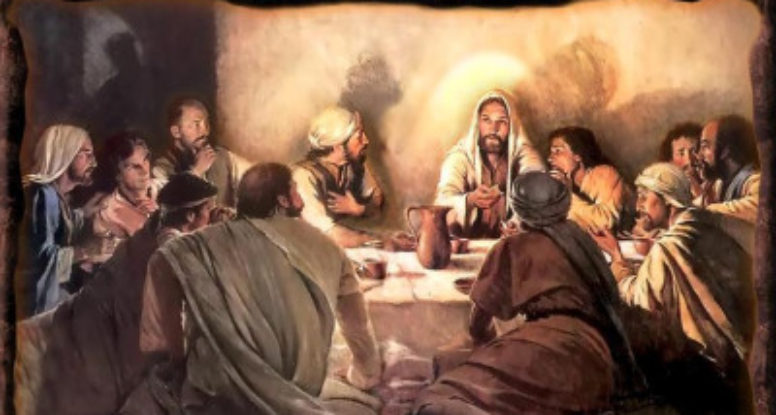
As the Lunar New Year festivities draw to a close my mind is led back to the book of John, which I mentioned some time ago on this very blog.
I still cannot claim to fully understand the Jewish lunisolar calendar with its shorter lunar year, compensatory 19 year Metonic cycle and extra month thrown in every two or three years. But I do know that John referenced many festivals in his gospel.
One mentioned is the ‘Feast of Tabernacles’. And, as John so often does, there is a direct parallel drawn between this feast and the words in John 1:14(a) which are “And the Word (Christ) became flesh (human, incarnate) and tabernacled (fixed His tent of flesh, lived awhile) among us”. This festival originated in Moses’ time and was commanded by God as a commemoration of liberation from Egypt (Leviticus 23:40-43). So it is fitting that John would introduce us to Jesus as he comes to dwell among us.
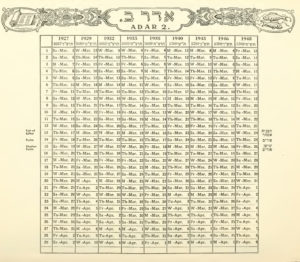 Another festival highlighted in the Book of John is that of Passover. This commemoration too originates in Moses’ time. This festival reminds the Israelites of the tenth, and worst, plague of Egypt in which all of the first born died unless a sacrificial lamb had been slaughtered and its blood put upon the doorpost to ensure God’s protection.
It becomes clear through reading John that Jesus himself becomes the sacrificial lamb to save us from death.
Again you can read into this so deeply and draw parallels between the bread associated with the passover and Jesus being the bread from heaven.
Nowadays we don’t always follow these old festivals but as Easter draws near (if you don’t believe me just check out the seasonal section of the supermarket!) it is a good to remember the real significance of festivals that roll around year on year.
“Therefore purge out the old leaven, that you may be a new lump, since you truly are unleavened. For indeed Christ, our Passover, was sacrificed for us.” (1 Cor 5:7 NKJV)
